Eco-Friendly Pest Control Services Warren County Homeowners Love
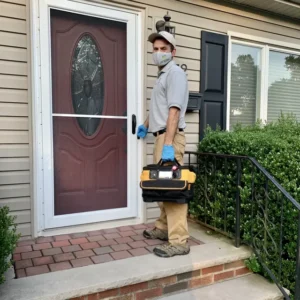
Homeowners in Warren County are paying closer attention to what goes into their yards, crawl spaces, kitchens, and air. That shift has changed the conversation around pest control. People still want fast relief from ants in the pantry, mice in the attic, and mosquitoes around the patio. They simply do not want heavy-handed treatments that leave behind strong odors, unnecessary residue, or worry about children and pets crossing a treated area an hour later.
That is where eco-friendly pest control earns its reputation. When it is done well, it is not a softer version of the same old playbook. It is a more disciplined one. The best companies start by studying why pests are thriving in the first place, then they remove food sources, reduce access points, manage moisture, and use carefully targeted products only where they are actually needed. It takes more skill than blanket spraying. It also tends to produce steadier long-term results.
Homeowners searching for Pest Control Services Warren County often assume “green” means either expensive, weak, or suitable only for minor pest problems. In practice, none of those assumptions hold up very well. A thoughtful eco-conscious program can handle serious infestations, especially when it combines inspection, exclusion, habitat correction, and limited product use with consistent follow-up.
What eco-friendly pest control really means
The phrase gets stretched in marketing, so it helps to be specific. Eco-friendly pest control is not the complete absence of pest control products. It is a method that prioritizes the lowest-impact effective option, applies it in the smallest practical amount, and builds the plan around prevention instead of repeated broad treatment.
A seasoned technician usually looks at four things before reaching for any material. First, how are pests entering the structure. Second, what is feeding them. Third, where are they nesting or hiding. Fourth, what can be changed so the problem does not come right back after treatment. That could mean sealing a gap under a garage door, trimming foundation shrubs, correcting drainage around a downspout, or advising a homeowner to move firewood farther from the siding.
In Warren County, local conditions matter. Different neighborhoods deal with different pressures depending on tree cover, age of housing stock, nearby water, and how closely homes sit together. A century-old home with a fieldstone foundation often presents a different set of vulnerabilities than a newer subdivision home with vinyl siding and attached garages. Eco-friendly work recognizes those details instead of pushing the same treatment package to everyone.
Why Warren County homes face recurring pest pressure
The county offers plenty of what pests like: seasonal humidity, wooded edges, basements, crawl spaces, and a mix of suburban and semi-rural properties. That combination creates overlapping pest activity almost all year.
Spring usually starts with ant trails, termite swarms, overwintering insects waking up, and an uptick in stinging insect scouting. Summer brings mosquitoes, wasps, pantry pests, and outdoor ant colonies that Pest Control Services Warren County eventually extend indoors. In fall, rodents start testing homes for warmth and food. Winter does not end the problem. It simply shifts it inside walls, attics, basements, and utility penetrations.
One homeowner I spoke with after a late October service call was convinced the mice “appeared overnight.” They rarely do. In most cases, the warning signs start weeks earlier: a faint scratching sound in a wall cavity, a few droppings near a water heater, a food bag with gnawed corners in the garage. Eco-friendly pest control works best when it catches these patterns early, before a small access problem becomes a nesting problem.
The appeal for families with kids, pets, and gardens
A lot of homeowners are not trying to be perfect environmental stewards. They just want sensible risk reduction. If you have a toddler who crawls along baseboards, a dog that sniffs every foundation edge, or raised garden beds ten feet from your patio, broad-spectrum treatment around every square foot of the property feels excessive.
That concern is reasonable. Even when products are registered and properly applied, exposure matters. Eco-conscious pest control reduces unnecessary contact by narrowing where and how treatments are used. Crack-and-crevice application inside a cabinet void, for example, is very different from widespread interior spraying. Sealing rodent entry points and using tamper-resistant bait stations outdoors is different from relying only on interior traps after mice are already established.
Gardeners appreciate another advantage. Pollinators and beneficial insects can be protected when technicians avoid blanket flowering-plant applications and focus on nest sites, entry points, or targeted non-bloom areas. This is one of those places where skill shows. The best providers do not just promise “green service.” They can explain exactly how they protect the spaces where bees, butterflies, and predatory insects do useful work.
The methods that make the biggest difference
Most effective eco-friendly programs follow the principles of integrated pest management, even if they do not always use the term in customer-facing materials. The idea is simple: solve the pest problem with layered, practical interventions instead of relying mainly on repeated chemical use.
Here are the methods that tend to matter most in real homes:
- Careful inspection to locate entry points, nesting zones, moisture issues, and activity patterns.
- Exclusion work such as sealing utility gaps, repairing screens, adding door sweeps, and screening vents.
- Sanitation and habitat correction, including food storage changes, clutter reduction, gutter maintenance, and trimming vegetation.
- Monitoring with traps, stations, and follow-up visits to confirm whether activity is rising or falling.
- Targeted treatments only where necessary, using the least disruptive option that is likely to work.
That sequence is not glamorous, but it is effective. A technician can spray around the perimeter every month and still fail if a dryer vent flap is broken and rodents are using it as a front door. On the other hand, a few ounces of targeted product plus good exclusion can solve what gallons of routine treatment never really fixed.
Ant control without over-treating the whole house
Ants are one of the most common reasons homeowners call Pest Control Services Warren County, and they are also one of the easiest problems to mishandle. People see a line of ants at the sink and assume the job is to kill every visible ant fast. That can backfire. If the colony is not addressed correctly, the trail disappears for a day or two and returns from a different wall void.
Eco-friendly ant control starts with identifying the species or, at minimum, the behavior pattern. Pavement ants, odorous house ants, and carpenter ants do not all respond the same way. In some cases, baiting works beautifully because foragers carry material back to the colony. In other cases, moisture correction and trimming branches away from the roofline are just as important as any product.
Carpenter ants deserve special attention because homeowners often confuse them with termites. They do not eat wood the same way termites do, but they exploit damp or damaged wood and can expand galleries over time. If you have carpenter ants in a Warren County home, the eco-friendly answer is often part pest control, part carpentry. Replace decayed trim, correct leaks, remove conducive mulch buildup, and treat the actual activity zone rather than turning the whole property into a chemical perimeter.
Mosquito control that respects outdoor living spaces
Backyard life matters here. Families want to use decks, lawns, and fire pit areas from late spring through early fall. Mosquitoes can ruin that quickly. Eco-friendly mosquito control is a strong example of why prevention beats reflexive spraying.
A property with standing water in clogged gutters, kids’ toys, saucers under planters, and a low drainage pocket near the fence line will keep producing mosquitoes no matter how often someone fogs the shrubs. The best providers walk the property and point out breeding sites. Sometimes the biggest improvement comes from fixing grading, cleaning gutters, or treating water features properly.
For active mosquito reduction, targeted larval control in water-holding areas often does more long-term good than broad adulticide use alone. Adult mosquito treatments can still have a place, especially before outdoor events or during heavy peak periods, but they should be timed and placed carefully. Homeowners with pollinator gardens should ask specific questions about application timing and plant proximity. A good company will welcome those questions.
Rodent control is where eco-friendly service proves its value
Rodent work is one of the clearest examples of why “green” does not mean weak. Mice and rats are not solved by wishful thinking, and they are not solved well by overreliance on poison either. Proper eco-friendly rodent control is structural, methodical, and often more durable than traditional bait-heavy programs.
A strong service visit usually includes a full perimeter check, attic and basement inspection, and a conversation about storage, pet food, bird seed, and garage habits. A gap the width of a dime can matter. So can an overgrown shrub touching the siding near an electrical penetration.
Homeowners tend to get the fastest results when they combine professional exclusion with indoor trapping and outdoor monitoring. One older colonial I know of had repeat mouse issues every November despite years of service from different companies. The breakthrough was not a new product. It was a technician who found two hidden entry points behind AC line penetrations and a damaged corner of garage weatherstripping. Once those were corrected, trap counts fell sharply within two weeks.
That is what people are really paying for: not just treatment, but diagnosis.
Termites and wood-destroying pests need nuance
Some homeowners assume eco-friendly methods are fine for nuisance pests but not for termites. The truth is more nuanced. Termites demand serious attention because they can cause structural damage over time, but that does not automatically mean the only answer is an aggressive blanket approach.
Modern termite management often includes targeted treatments, baiting systems, moisture reduction, and regular monitoring. The right strategy depends on construction type, evidence of activity, and whether the goal is prevention, active elimination, or both. A slab home with a known hot spot is different from a home with crawl space moisture issues and old wood-to-soil contact around a porch addition.
What matters most is accuracy. If a provider cannot explain where the activity is, why a specific method fits, and what follow-up looks like, that is a concern. Eco-friendly service does not mean casual service. If anything, wood-destroying pests call for more precision, not less.
What homeowners should ask before hiring a company
Not every company that advertises green service operates with the same standards. Some use the term loosely. Others have built their entire service model around prevention, exclusion, and low-impact treatment. The difference shows up quickly when you ask direct questions.
A useful screening conversation should cover these points:
- How do you identify the pest and confirm the source of activity before treatment?
- What non-chemical steps do you recommend for my specific home and lot?
- Will you seal entry points or just point them out?
- How are treatments targeted around pets, children, vegetable gardens, and pollinator areas?
- What does follow-up look like if the first visit reduces activity but does not fully solve it?
Those questions do two things. They reveal whether the company has a process, and they tell you whether the technician thinks like an investigator or a salesperson. Homeowners in Warren County usually prefer the first type. They want someone who notices the wet mulch against the foundation, the open weep gap, the torn screen by the basement bulkhead, and the squirrel-chewed trim near the roof edge.
The cost question, and where value really shows up
Eco-friendly pest control can cost slightly more on the first visit, especially if the service includes a thorough inspection, exclusion recommendations, or light repair work. Over time, though, it often compares favorably because recurring pest pressure drops when the root causes are addressed.
Think about the difference between paying for six reactive visits a year versus paying for one deeper corrective visit and a manageable monitoring plan. The first model feels cheaper until you add up the repeat calls, the frustration, and the fact that the same pests keep returning. The second model asks for more patience at the start, but it usually creates a cleaner baseline.
There is also the hidden value of reduced disruption. Homeowners appreciate fewer indoor applications, less need to vacate spaces, and better compatibility with normal family routines. If you work from home, host children’s playdates, or spend a lot of time outdoors on your property, that convenience matters.
Small property changes that support professional results
The strongest service plan can be undermined by conditions around the home that invite pests back. A good provider will explain this without sounding alarmist or blaming the homeowner. Pest pressure is normal. The goal is simply to make the property less easy for pests to exploit.
Moisture is often the biggest issue. Wet mulch piled too high against siding, leaking hose bibs, poor drainage at downspouts, and dense plantings that trap humidity all create favorable conditions for insects. Storage is another overlooked factor. Cardboard boxes in basements and garages provide shelter for silverfish, roaches, spiders, and rodents. Switching to sealed plastic bins can make a noticeable difference.
Outdoor lighting can play a role too. Bright white lights near entry doors attract insects, which then attract spiders and occasionally draw opportunistic predators closer to the structure. Warm-toned bulbs, strategic fixture placement, and keeping doors closed during peak evening activity can trim that pressure down in a simple way.
Why communication matters as much as treatment
The best eco-friendly pest control technicians tend to be strong communicators. They do not hide behind vague terms like “full coverage” or “premium barrier.” They tell you what they found, what they did, what they chose not to do, and what signs they want you to watch over the next two weeks.
That level of communication builds trust because homeowners can see the logic. If ant bait is placed, they explain why you may see more ants temporarily before activity drops. If rodent traps are set, they explain where and why. If no treatment is recommended in one area, they explain that too. Sometimes the most professional decision is restraint.
This is one reason local reputation matters so much with Pest Control Services Warren County. Homeowners talk. They remember the company that solved a yellowjacket nest without soaking the whole patio. They remember the technician who found the actual source of pantry moths in a forgotten bag of bird seed. They also remember the company that sprayed quickly, left no explanation, and never really fixed the issue.
What homeowners tend to love most about eco-friendly service
When you ask people what they appreciate after switching to a lower-impact pest control plan, their answers are usually practical rather than ideological. They like that the technician spends time inspecting instead of rushing. They like that children and pets can return to normal routines with less worry. They like that the service often comes with advice they can actually use, rather than a generic warning to “keep things clean.”
Most of all, they like results that hold. Not perfection, because pest control rarely works that way in the real world. A wooded lot in a humid season will still have insect pressure. A cold snap will still send mice looking for shelter. But homeowners can feel the difference between a house that is being managed intelligently and one that is trapped in a cycle of repeat outbreaks.
That is what earns loyalty. Eco-friendly pest control meets homeowners where they live, with all the real constraints of pets, gardens, budgets, old foundations, and busy schedules. It treats pests seriously without treating every square inch of the property as a target. And in Warren County, where homes and landscapes vary so much from one road to the next, that kind of measured, skilled approach is exactly what people keep asking for.
Affordable Pest Solutions LLC
Budd Lake, NJ 07828 (service-area business)
Serving Warren, Morris and Sussex Counties, New Jersey
Phone: +1 973-229-9547
FAQ About Pest Control Services Warren County
How much does pest control cost in NJ?
The cost depends on the pest, the size of the property, the extent of activity and whether follow-up visits are needed. Ask for an inspection and a written estimate that explains the treatment scope and any ongoing service charges. Affordable Pest Solutions offers free estimates for properties in its service area.
What are the most common household bugs in New Jersey?
Ants, cockroaches, stink bugs and spiders are among the pests that residents may encounter in New Jersey homes. Activity varies by season, moisture conditions and available entry points. Correct identification helps determine whether exclusion, sanitation, monitoring or professional treatment is appropriate.
What kind of bugs infest homes?
Ants, cockroaches and termites can establish persistent activity in or around homes. The signs and appropriate response differ by pest: trails, droppings, shed wings or damaged wood may warrant closer inspection. A pest professional can identify the cause and recommend a plan suited to the property.